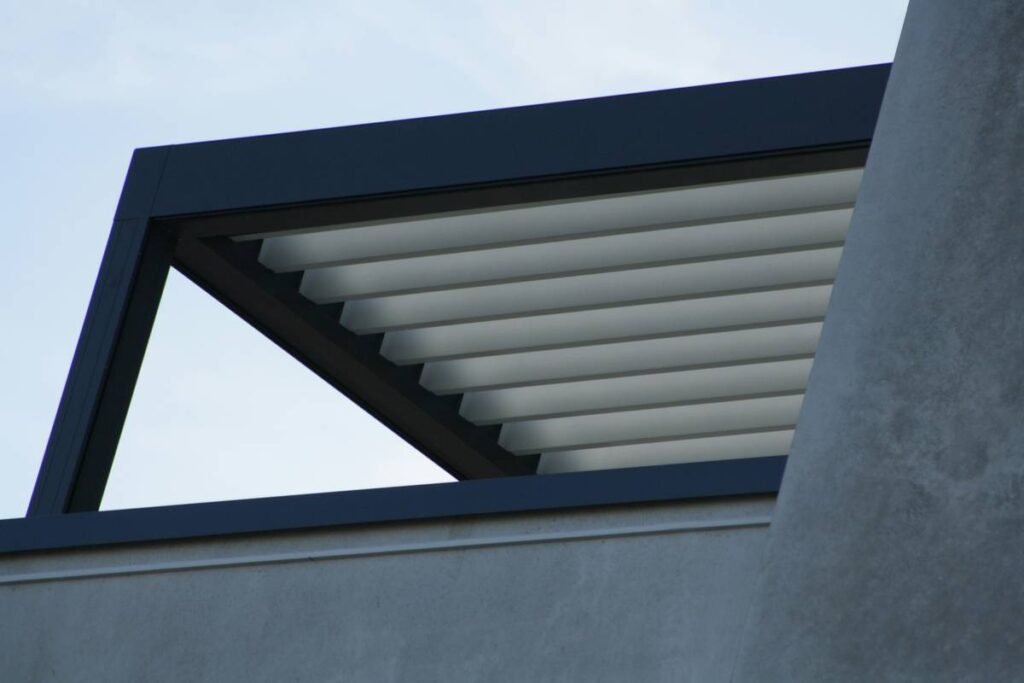
Your cantilever umbrella looks majestic on a sunny afternoon. But leave it uncovered through winter? Rain seeps into the fabric. Wind whips it into a neighbor’s fence. UV rays bleach it into a ghost of its former self. A flimsy tarp or bargain-bin cover for outdoor umbrella won’t cut it. You need armor—not afterthoughts.
The Myth of “Good Enough” Protection
Most homeowners grab the cheapest vinyl slip they see online. Big mistake. These covers trap moisture underneath—creating a breeding ground for mold, mildew, and rust on aluminum frames. And they rarely fit cantilever designs properly. The off-center mast? The curved canopy? Ignored.
Standard square patio umbrella covers sag, flap violently in wind, and tear at stress points within months. You’re not protecting your investment—you’re accelerating its decay.
How to Choose & Install the Right Cover for Outdoor Umbrella
Forget one-size-fits-all nonsense. Cantilever umbrellas demand precision. Here’s how to do it right:
Measure Like a Pro (Not a Guesswork Gambler)
Don’t rely on product labels saying “fits up to 10 ft.” Measure your canopy’s diameter edge-to-edge. Then add 6 inches for overhang. Ignore height claims—focus on circumference and shape. Round? Octagonal? Match it exactly.
Prioritize Breathable, Reinforced Fabric
Go for solution-dyed polyester with a PU or PVC backing. Minimum 300 denier. Look for taped seams and double-stitched hems. And—this is critical—it must have ventilation panels. No airflow = trapped condensation = rot.
Secure It Like It’s Supposed to Stay Put
Elastic hems alone fail. Demand adjustable drawstrings, locking buckles, or integrated weighted pockets. In high-wind zones, add aftermarket tie-down straps anchored to ground sleeves. If it moves in a breeze, it’s useless.
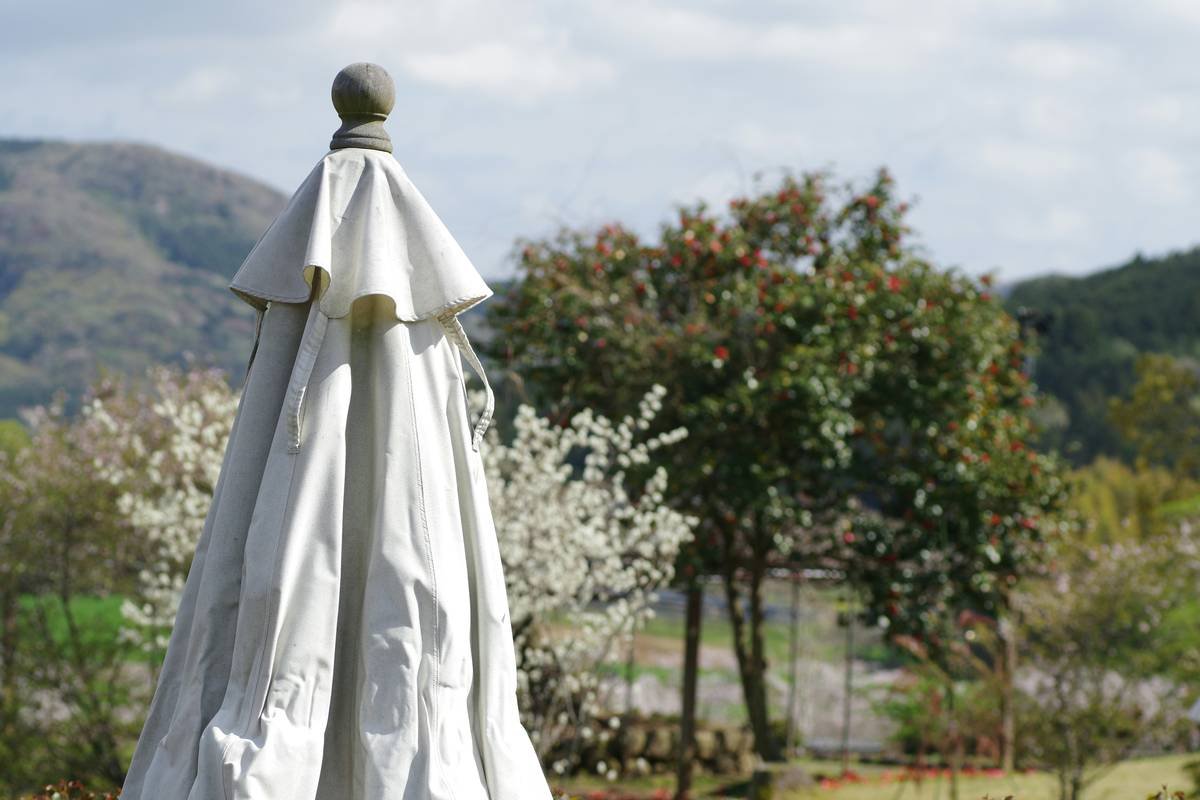
| Cover Type | Material | Wind Resistance | Lifespan (Avg.) | Price Range |
|---|---|---|---|---|
| Budget Vinyl Slip | Thin PVC | Poor (rips < 15 mph) | 3–6 months | $12–$25 |
| Mid-Tier Polyester | 210D Polyester + PU Coating | Fair (holds ~25 mph) | 1–2 years | $35–$60 |
| Premium Cantilever-Specific | 600D Solution-Dyed Polyester, taped seams, mesh vents | Excellent (up to 40+ mph with straps) | 4–6 years | $80–$140 |

The Industry Secret: Covers Are Only Half the Strategy
Here’s what retailers won’t tell you: the best cover for outdoor umbrella still fails if you skip pre-storage prep. Always clean and fully dry your canopy before covering—dampness under fabric is catastrophic. And never store it leaning upright. Tilt the entire unit downward so water can’t pool in the folds. Better yet—remove the canopy entirely during off-season. Store it flat in a dry garage. The frame? Cover it separately with a fitted sleeve. This dual-layer approach extends hardware life by 3x. Professionals do this. You should too.
Frequently Asked Questions
Can I use a regular patio umbrella cover on a cantilever model?
No. Cantilevers have asymmetric frames and larger canopies. Standard covers don’t accommodate the offset mast, leading to poor fit and wind vulnerability.
How often should I replace my outdoor umbrella cover?
Every 2–3 years for mid-tier options. Premium models last 5+ years—but inspect annually for seam wear, UV fading, or torn grommets.
Do breathable covers really prevent mold?
Absolutely. Non-breathable materials trap humidity. Mesh vents allow air exchange, stopping condensation buildup that breeds mildew under the cover.