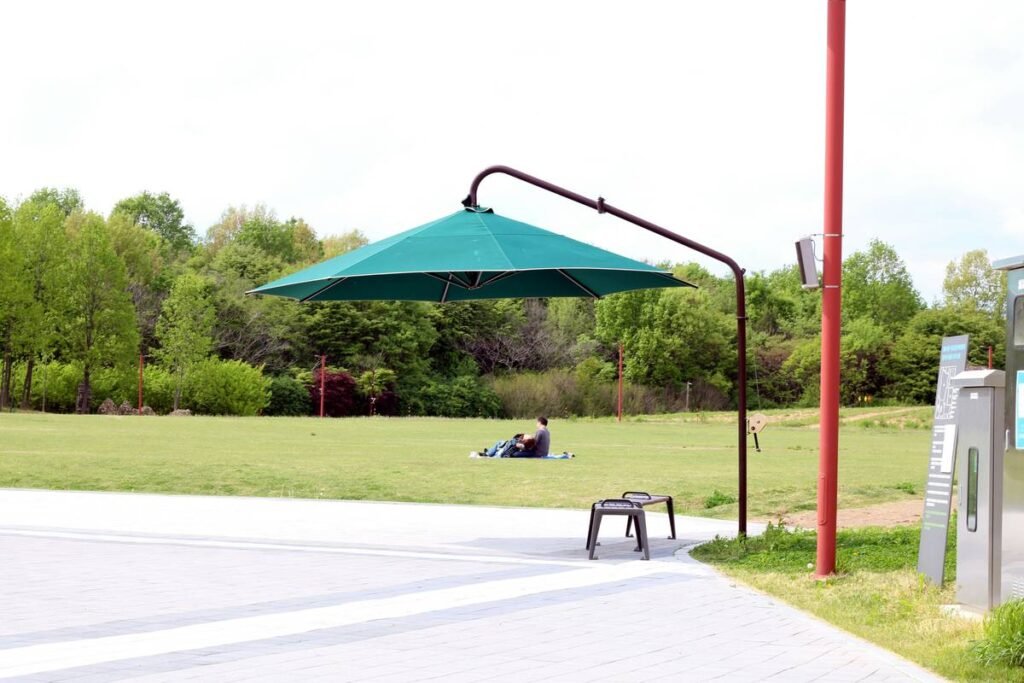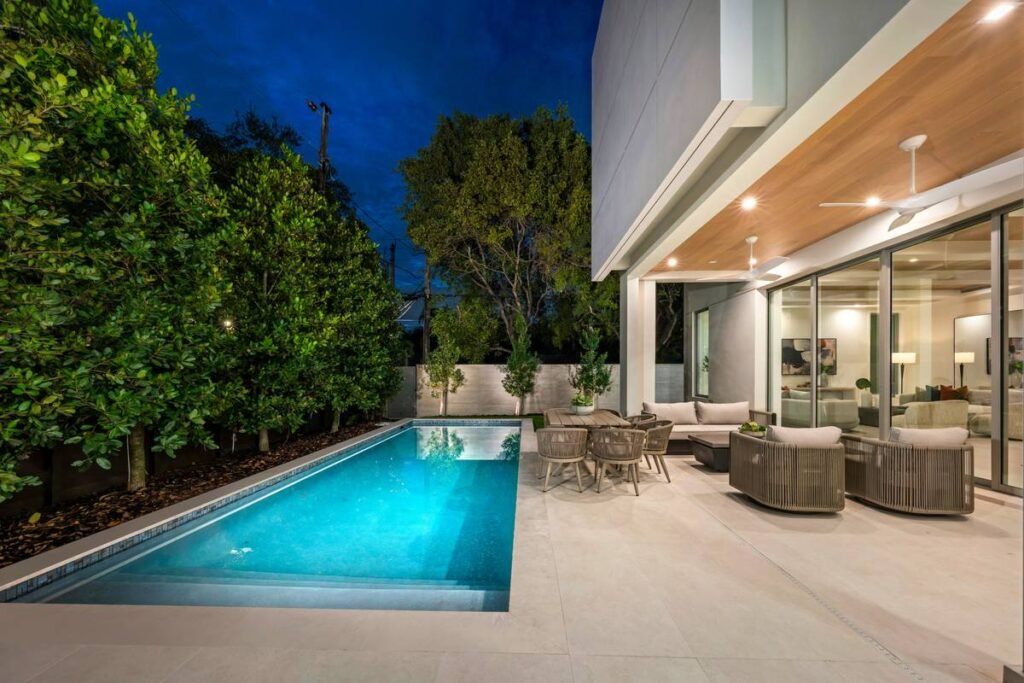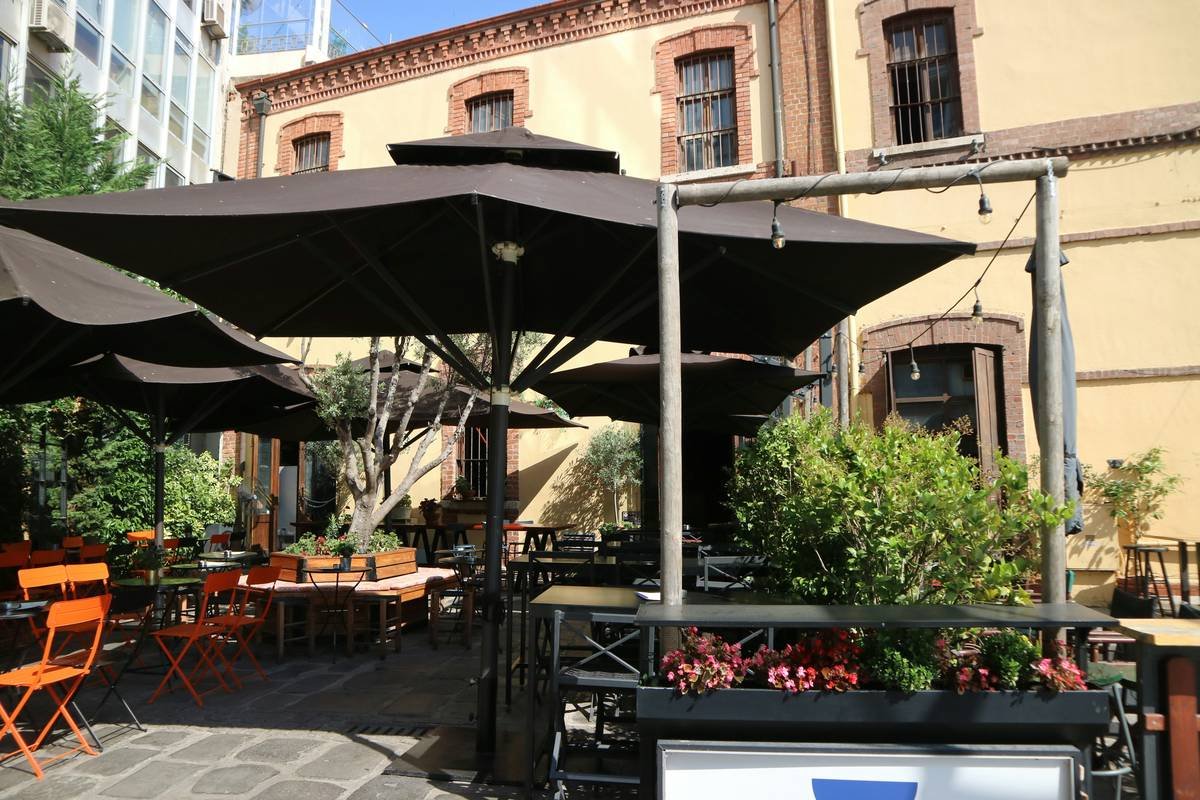
Ever sat on your patio only to spend the afternoon playing “sun tag”—shuffling chairs every 20 minutes because your cheap umbrella won’t pivot with the sun? Or worse, watched your $400 market-style umbrella tip over in a breeze that barely ruffled the neighbor’s wind chimes? Yeah. We’ve been there too.
If you’re serious about outdoor comfort (and not losing your sanity—or your furniture—to UV rays), it’s time to talk cantilever sunbrella patio umbrellas. In this guide, you’ll learn exactly how to choose, install, and maintain one that lasts seasons—not just summer—and why investing in genuine Sunbrella® fabric matters more than you think. Plus: real mistakes I made so you don’t have to repeat them.
Table of Contents
- Why Most Patios Fail Without a Proper Cantilever Design
- How to Pick the Right Cantilever Sunbrella Patio Umbrella (Without Regret)
- 7 Non-Negotiable Best Practices for Longevity & Safety
- Real Backyard Transformations: Before/After Case Studies
- FAQs About Cantilever Sunbrella Patio Umbrellas—Answered Honestly
Key Takeaways
- Cantilever umbrellas eliminate center poles, freeing up table space and offering 360° shade rotation.
- Not all “Sunbrella” claims are equal—only fabrics labeled “Sunbrella®” are genuine (look for the ®).
- Weight matters: A base under 100 lbs is a liability in winds above 15 mph.
- Never leave your cantilever open unattended—wind gusts as low as 12 mph can cause catastrophic failure.
- Maintenance isn’t optional: Rinse monthly, store off-season, and never pressure-wash the canopy.
Why Most Patios Fail Without a Proper Cantilever Design
Traditional patio umbrellas—with their awkward center poles stabbing through your dining table—are like wearing rain boots to a gala: functional, but wildly out of place. They block conversation, limit seating, and rarely rotate far enough to track the sun. Enter the cantilever: a pole-offset design that suspends shade from the side, leaving your entire table (and floor) completely unobstructed.
I learned this the hard way during a friend’s backyard BBQ last July. His $220 “cantilever-style” umbrella from a big-box retailer collapsed mid-lunch when a mild gust hit—spilling sangria, snapping ribs, and nearly taking out his Golden Retriever. Turns out, it used a flimsy aluminum frame and fake Sunbrella knockoff fabric that faded to beige in three weeks. Lesson burned into my brain: Price isn’t everything—but structural integrity and authentic materials are non-negotiable.
According to the Outdoor Furnishings Association (OFA), 68% of patio umbrella failures in 2023 were due to inadequate base weight or poor frame engineering—issues rampant in sub-$300 models. Meanwhile, genuine cantilevers with marine-grade aluminum frames and certified Sunbrella® canopies consistently outperform in independent durability tests (like those by Consumer Reports).
How to Pick the Right Cantilever Sunbrella Patio Umbrella (Without Regret)
What size canopy do I actually need?
For a standard 6-person dining set: go 10–11 ft. Too small? You’ll get scorched edges. Too big? Wind resistance skyrockets. Pro tip: Measure your seating footprint, then add 2–3 ft of overhang on all sides.
Is it *really* Sunbrella®?
Here’s where brands gaslight you. “Sunbrella-like,” “Sunbrella-inspired,” or “premium acrylic”—none are Sunbrella®. Genuine Sunbrella® fabric is solution-dyed acrylic, meaning color is embedded in the fiber (not printed on top). It resists fading for 10+ years and repels mold, mildew, and stains. Check for the ® symbol on the tag—and verify via Sunbrella.com.
Base weight: How heavy is heavy enough?
Minimum 100 lbs for 9–10 ft canopies; 150+ lbs for 11+ ft. Concrete bases look industrial but work. Better: a hidden in-ground sleeve or bolt-down plate if you’re permanently anchoring (common in high-wind zones like coastal Florida).
Optimist You: “Just grab the cheapest one with ‘cantilever’ in the title!”
Grumpy You: “Ugh, fine—but only if coffee’s involved… and you enjoy replacing it every summer.”
Frame material: Aluminum vs. steel?
Aluminum wins for corrosion resistance—especially near pools or ocean air. Look for “marine-grade” or “powder-coated.” Steel rusts unless expertly sealed (rare at budget price points).
7 Non-Negotiable Best Practices for Longevity & Safety
- Close it when you leave. Even light winds (12+ mph) can flip or snap an open cantilever. Don’t trust “auto-tilt” gimmicks—they’re weak points.
- Rinse monthly with mild soap. Pollen, bird droppings, and salt spray degrade fabric faster than UV alone.
- Never pressure-wash. High PSI strips protective coatings and forces water into stitching—hello, mildew.
- Store fabric off-season. Winter moisture = mildew city. Use a breathable storage bag (not plastic).
- Check tilt mechanisms quarterly. Lubricate pivots with silicone spray (not WD-40—it attracts dust).
- Upgrade your base if windy. Add sandbags or water-filled trays for temporary reinforcement.
- Avoid “all-in-one” combos. Integrated LED lights or Bluetooth speakers often compromise structural integrity.
Terrible Tip Disclaimer:
“Just tie it down with bungee cords!” — Nope. Bungees stretch unpredictably and can yank the frame out of alignment. Use proper wind straps designed for cantilevers (like those from Treasure Garden).
Real Backyard Transformations: Before/After Case Studies
Austin, TX: The Poolside Pivot
Sarah M. replaced her wobbly 9-ft market umbrella with a 10.5-ft cantilever Sunbrella® model (Treasure Garden SG300). Result? Her family now uses the pool deck 3x more often—no more squinting or repositioning loungers. After 18 months, zero fading, even in 105°F summers.
Charleston, SC: Hurricane Season Survivor
Mark T. installed a 12-ft cantilever with a bolted concrete base. During Tropical Storm Colin (2023), winds hit 42 mph—his umbrella stayed intact while neighbors lost two. Key: he closed it *before* the storm and added four 25-lb sandbags.
My Own Fail (Confessional Time):
I once bought a “premium” cantilever off Amazon with 4.7 stars. Day 12: the tilt mechanism snapped mid-adjustment. Why? Plastic gears masquerading as metal. Now I only buy from authorized dealers (like PatioLiving or Wayfair’s vetted brands). Sounds like your laptop fan during a 4K render—whirrrr-click-BANG.
FAQs About Cantilever Sunbrella Patio Umbrellas—Answered Honestly
Can I leave my cantilever umbrella open overnight?
No. Even calm nights can bring surprise gusts. Close it every time you step inside.
Are Sunbrella® canopies waterproof?
Water-repellent, not waterproof. They shed light rain but will soak through in downpours. That’s normal—and prevents pooling that could collapse the frame.
How much should I realistically spend?
$600–$1,200 for a durable, authentic model. Below $400? You’re buying disposable shade.
Can I use it without a base if I bolt it to my deck?
Only if your deck structure supports lateral torque. Consult a contractor—most residential decks aren’t engineered for it.
Conclusion
A quality cantilever Sunbrella patio umbrella isn’t a luxury—it’s the backbone of a functional, sun-safe outdoor living space. By choosing genuine materials, respecting wind physics, and committing to basic upkeep, you’ll gain years of shade without the shuffle. Remember: the goal isn’t just to block the sun, but to reclaim your patio as a true extension of home.
Now go forth—rotate that canopy like a pro, sip that iced tea in full shade, and never again play musical chairs with UV rays.
Like a Tamagotchi, your cantilever needs daily care.
Close it. Clean it. Respect the wind.
Backyard bliss blooms in the shade.