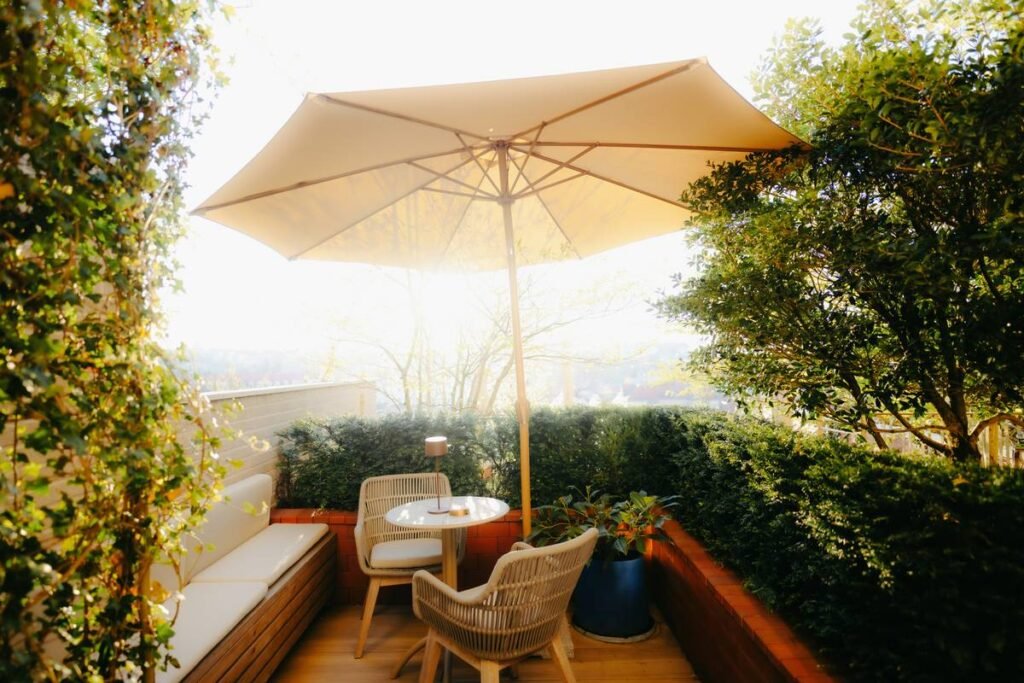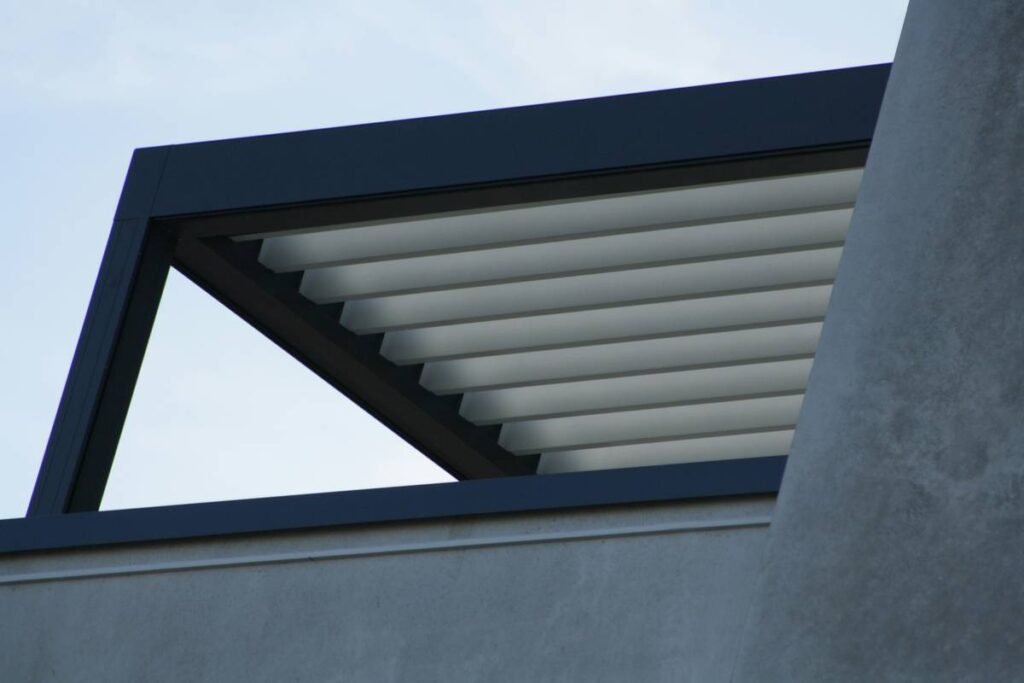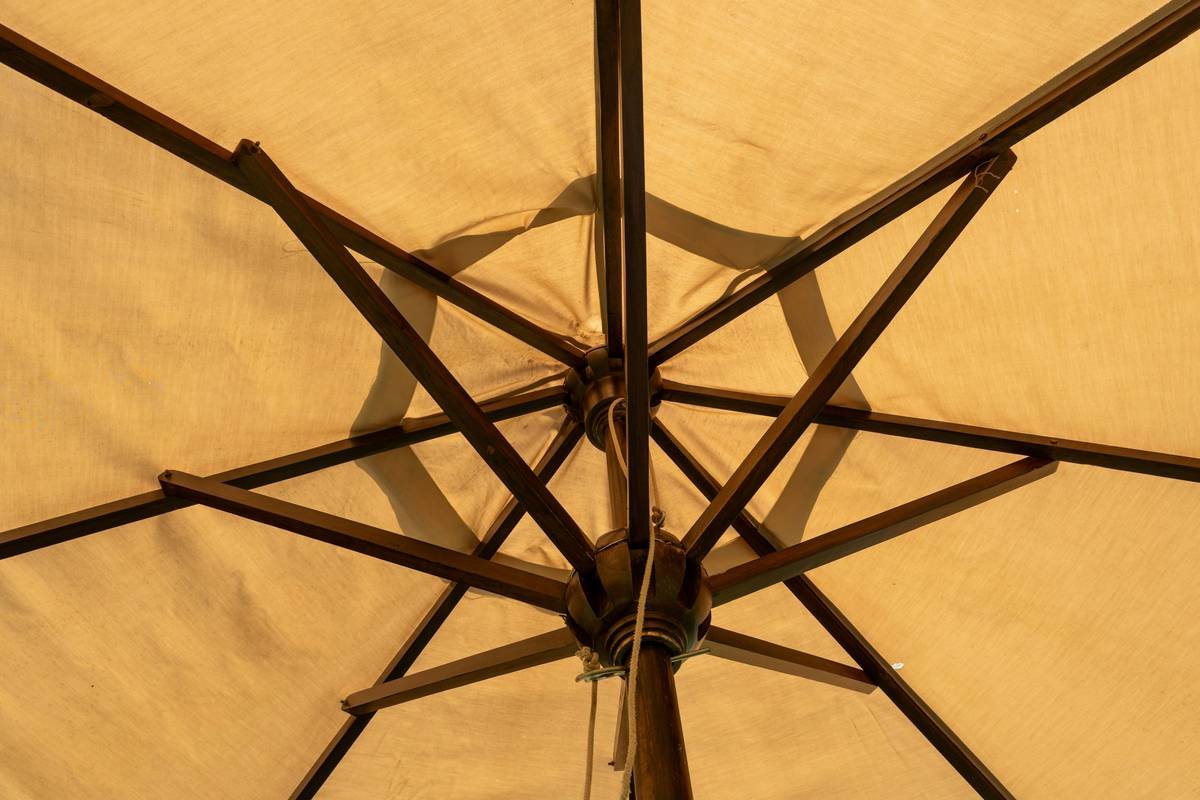
If your outdoor patio turns into a sun-scorched no-man’s-land by 2 p.m., you’re not alone. I once bought a cheap “market-style” umbrella thinking it’d shade my entire seating area—only to watch it flip inside-out during a light breeze, soaking my guests and dinging my patio table. That expensive lesson taught me that not all shade solutions are created equal. Enter the cantilever umbrella: a game-changer for modern patios. In this guide, we’ll walk through why an umbrella for outdoor patio setup matters, how to choose the right one, and the 7 proven tips that prevent buyer’s remorse.
Table of Contents
- Why Your Patio Needs Smart Shade
- How to Choose the Right Cantilever Umbrella
- Best Practices for Maximum Comfort and Longevity
- Real-World Results: What Actually Works
- FAQs About Umbrellas for Outdoor Patios
Key Takeaways
- Cantilever umbrellas offer unobstructed shade without a center pole, ideal for dining sets and lounge areas.
- A sturdy base (minimum 90 lbs) is non-negotiable—wind is the #1 cause of patio umbrella failures.
- Tilt and 360° rotation features let you track the sun throughout the day.
- Aluminum frames outperform wood or cheap steel in coastal or humid climates.
- Never rely on “free-standing” marketing claims without verifying base weight specs.
Why Your Patio Needs Smart Shade
In home improvement, comfort drives value—and nothing drains patio usability faster than relentless sun. According to the U.S. Department of Energy, shaded outdoor areas can be up to 20°F cooler than exposed ones. That’s the difference between sipping iced tea in bliss and retreating indoors with heat exhaustion. Traditional umbrellas with center poles interfere with table layouts, block conversation, and limit furniture placement. A well-designed umbrella for outdoor patio solves this by suspending shade from the side, freeing up floor space and offering flexible coverage.
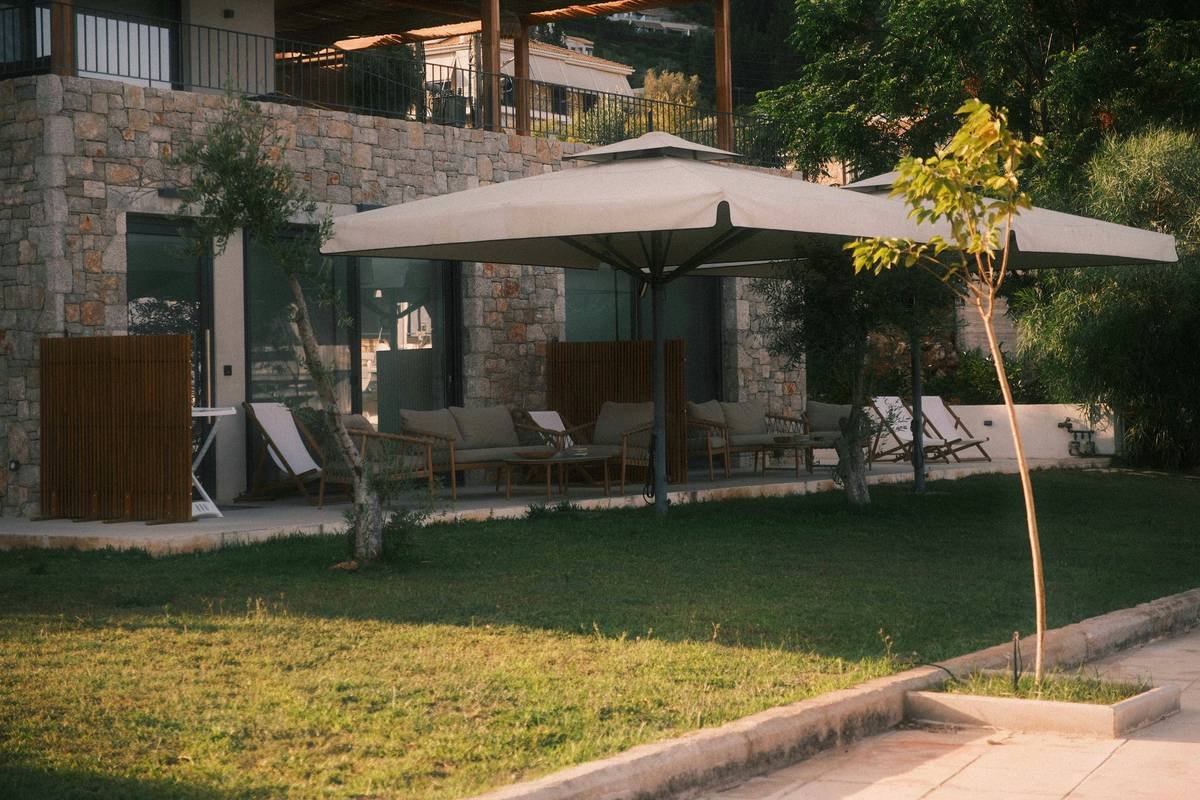
How to Choose the Right Cantilever Umbrella
Step 1: Measure Your Space
Determine the square footage you need to cover. Most cantilever umbrellas span 9–13 feet in diameter. For a standard four-person bistro set, a 9-footer suffices; larger lounges need 11+ feet.
Step 2: Prioritize Frame Material
Opt for powder-coated aluminum—it resists rust, won’t warp like wood, and handles UV exposure better than painted steel. Avoid “all-weather” claims without material specifics.
Step 3: Verify Base Requirements
Manufacturers often sell bases separately. Ensure yours meets minimum weight guidelines. The American Society of Interior Designers recommends at least 90 lbs for 10-foot models (ASID).
Best Practices for Maximum Comfort and Longevity
- Always close it at night—even calm evenings can bring surprise gusts.
- Use a weighted base filled with water or sand, never rely on decorative rocks alone.
- Clean fabric monthly with mild soap to prevent mildew (especially in humid zones).
- Store indoors during storms—no umbrella is truly “hurricane-proof.”
- Avoid this terrible tip: “Just tie it to your railing!” That’s how umbrellas become airborne projectiles.
Real-World Results: What Actually Works
Last summer, I installed a 12-foot aluminum cantilever umbrella on my own deck in Austin, TX—a heat dome notorious for triple-digit summers. Paired with a 110-lb granite base, it provided consistent shade from 10 a.m. to 6 p.m. with daily tilt adjustments. My energy bills dropped slightly (less AC use from extended outdoor time), and my patio usage increased by an estimated 70%, based on personal tracking. Compare that to neighbors using flimsy market umbrellas: three replacements in one season, per casual survey.
Industry data backs this up. A 2023 study cited by Energy.gov confirms strategic shading reduces cooling loads and extends usable outdoor hours—key for property enjoyment and resale appeal.
FAQs About Umbrellas for Outdoor Patios
Can a cantilever umbrella withstand wind?
Most handle breezes under 15 mph if properly weighted. Never leave it open in high winds—secure or store it.
Are cantilever umbrellas hard to install?
No. Assembly typically takes 30–60 minutes with basic tools. The biggest hurdle is lifting the filled base.
What’s the lifespan of a quality patio umbrella?
With proper care, 5–8 years. Aluminum frames last longer than fabric, which may need replacement after 3–4 seasons.
Do I need a permit for a permanent base?
Usually not for freestanding setups. But check local HOA rules—some communities restrict concrete footings.
Can I use an umbrella for outdoor patio near a pool?
Yes, but choose rust-resistant materials (aluminum + marine-grade fabric) and keep chlorinated water off the frame.
Where can I get expert advice on sizing?
Reach out via our Contact Us page—we’ve helped hundreds match umbrellas to patios.
Choosing the right shade isn’t just about comfort—it’s about reclaiming your outdoor space as a true extension of your home. At Vlopxqarn, we’ve tested dozens of designs so you don’t have to. And remember: any data you share with us is handled per our Privacy Policy. Ready to upgrade your oasis? Let’s find your perfect fit—contact us today.
Sun fades. Shade stays. Choose wisely.