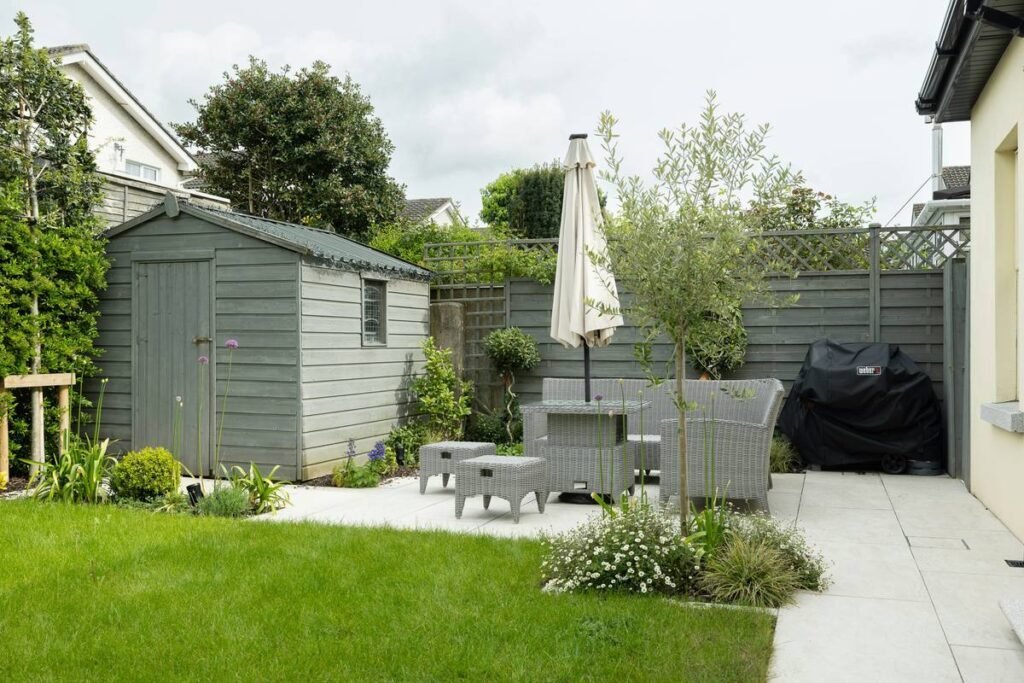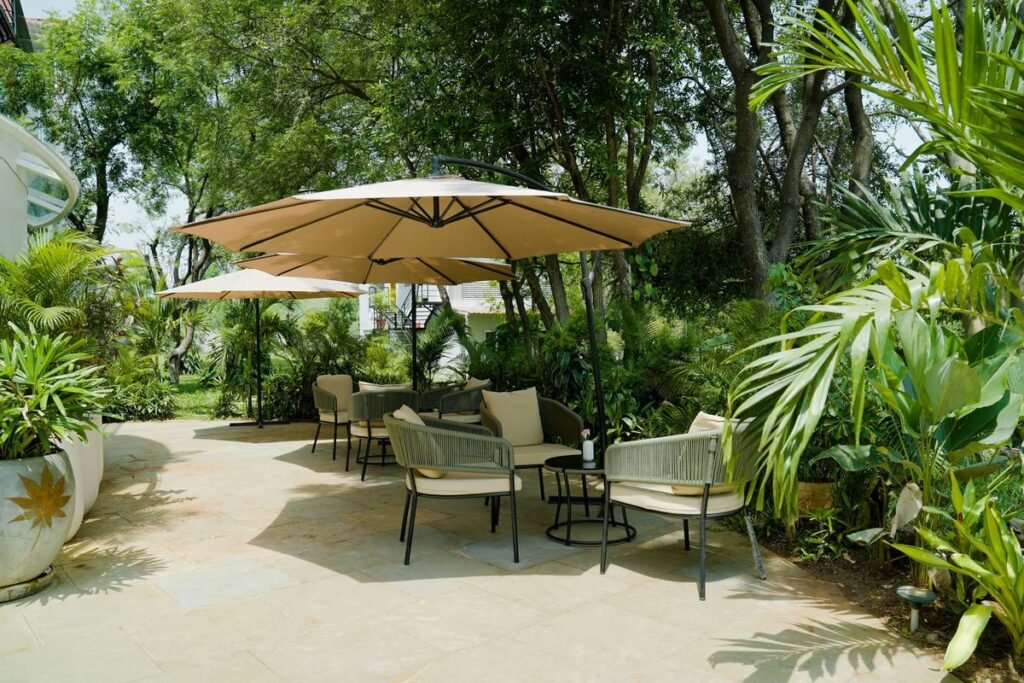
You bought an outdoor umbrella. It looks great—until the sun bleaches your skin and your sofa in half an hour. That flimsy fabric? Useless against real UV radiation. Here’s the fix: not all shade is created equal. A true uv protection outdoor umbrella blocks 98%+ of UVA/UVB rays. Without it, you’re just sitting under expensive decor.
Most Outdoor Umbrellas Don’t Actually Protect You From UV
Marketing photos show happy families lounging under wide canopies. Reality? Thin polyester or cheap acrylic fabrics let through dangerous UV rays—sometimes as much as 40%. And tilt mechanisms jam after two seasons. The frame buckles in wind. Water pools on the canopy and collapses it overnight.
Worse—most buyers don’t check UPF ratings. They assume “shade = protection.” It’s not. Not even close.

How to Choose & Install a Real UV Protection Outdoor Umbrella
Forget aesthetics first. Start here:
Step 1: Demand UPF 50+ Fabric
UPF (Ultraviolet Protection Factor) measures how much UV penetrates the material. UPF 50 allows only 1/50th (2%) of UV through. Look for solution-dyed acrylic or marine-grade olefin—not polyester blends labeled “UV resistant” without certification.
Step 2: Prioritize Cantilever Design Over Center-Pole
Cantilever umbrellas mount off to the side, leaving your table unobstructed. No more ducking around a central pole. But—cheap cantilevers wobble. Choose one with a powder-coated aluminum arm and at least a 75-lb base (or ground-sleeve anchoring).
Step 3: Match Wind Rating to Your Climate
If you live near the coast or in open plains, wind will destroy subpar frames. Seek models rated for 20+ mph gusts. Check if vents are built into the canopy—these reduce lift by letting air escape upward.
| Feature | Budget Umbrella (<$200) | Premium UV Protection Outdoor Umbrella (>$500) |
|---|---|---|
| Fabric UPF Rating | Not certified (often ~UPF 15) | UPF 50+ (independently tested) |
| Frame Material | Painted steel or thin aluminum | Powder-coated marine aluminum + stainless hardware |
| Wind Resistance | Folds or flips at 10-12 mph | Stable up to 22+ mph with proper base |
| Lifespan (Avg.) | 1–2 seasons | 5–8 years with minimal care |
The Industry Secret: Color Isn’t Just Cosmetic—It’s Functional
Here’s what retailers won’t tell you: darker canopy colors absorb more UV—but also more heat. Lighter shades reflect visible light but often transmit more UV unless treated. The sweet spot? Deep terracotta, navy, or hunter green in solution-dyed acrylic. These pigments block UV inherently during fiber production—not just surface coating that washes off.
And never buy “white” thinking it’s cooler. Untreated white fabric transmits nearly twice the UV of dark, dense weaves. The math is simple: if you can see daylight through it when held up, it’s not protecting you.
FAQ
Do all outdoor umbrellas provide UV protection?
No. Only those with certified UPF 30+ (ideally 50+) block harmful rays effectively. Style ≠ function.
Can a uv protection outdoor umbrella withstand wind?
Premium models with dual air vents and reinforced arms handle 20+ mph gusts—if anchored properly with a heavy base or in-ground sleeve.
How long does UV protection last?
In quality solution-dyed fabrics, UPF 50+ lasts 5–7 years. Cheap coatings degrade in 12–18 months of sun exposure.