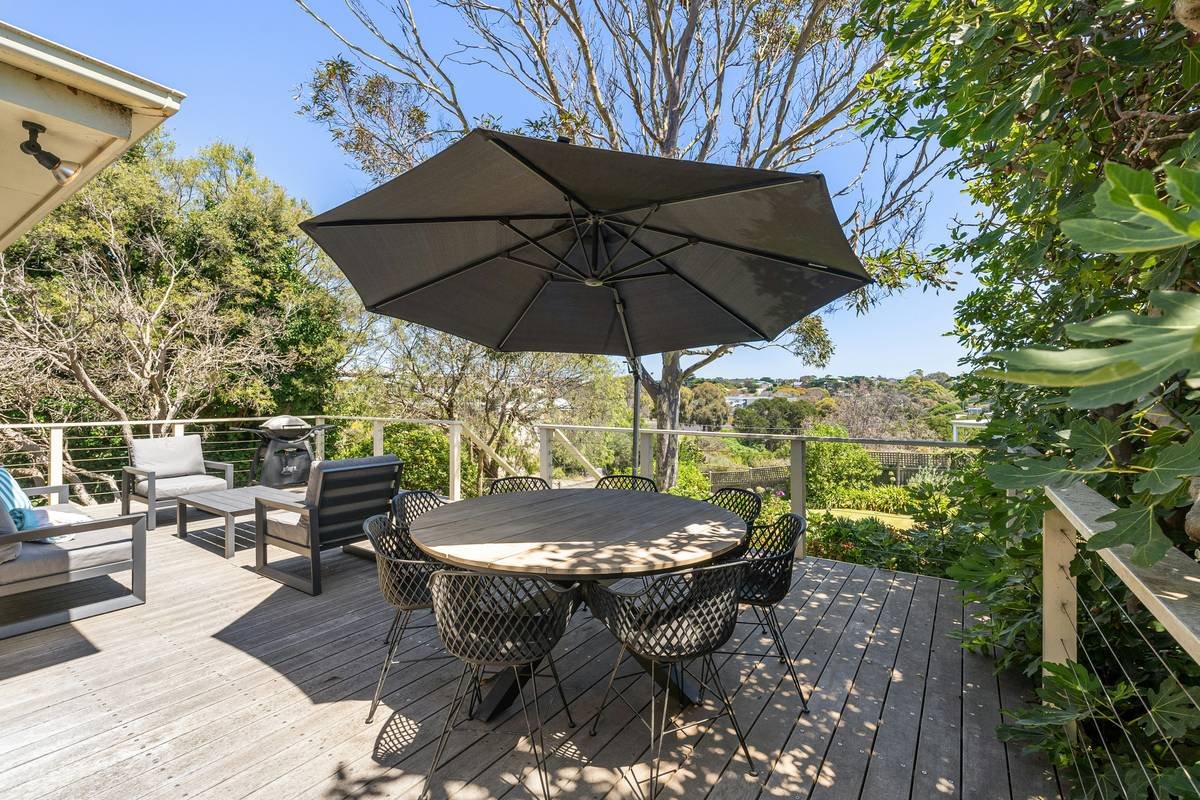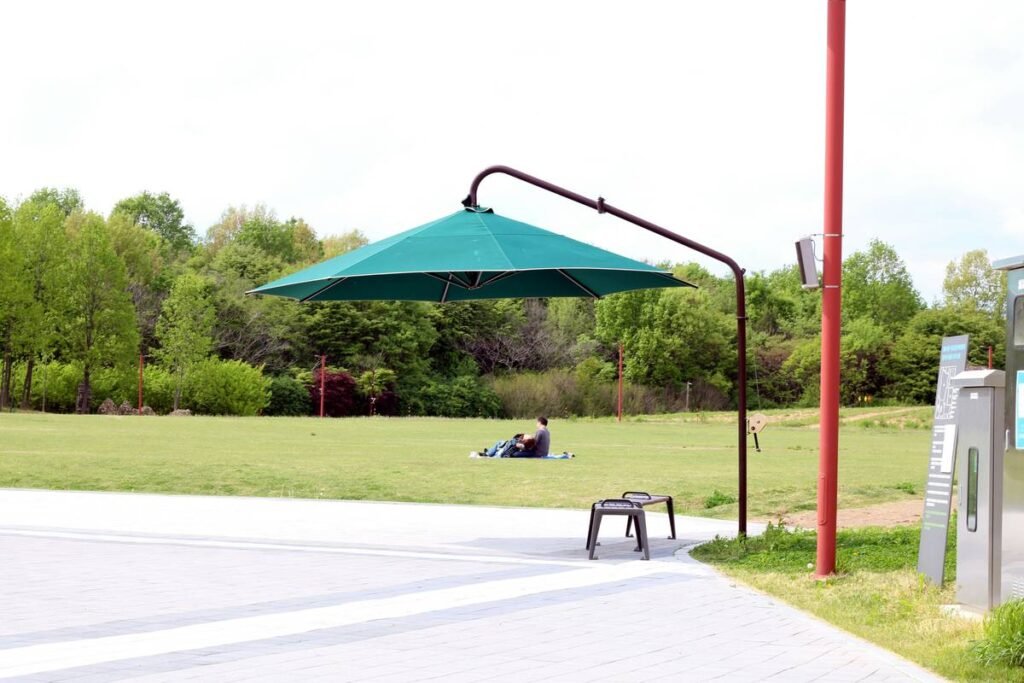
Your patio bakes under midday sun. You bought a cheap umbrella—it tipped over in a breeze, soaked your guests, and now sits rusting in the garage. Standard market umbrellas fail because they’re built for looks, not logic. The fix? A patio cantilever umbrella with base—engineered for stability, style, and real-world conditions.
The Core Problem: Why Center-Pole Umbrellas Are a Waste of Money
Center-pole umbrellas block views, crowd tables, and demand constant repositioning. Worse—they’re unstable. Wind gusts turn them into airborne hazards.
Most homeowners don’t realize: the issue isn’t just wind. It’s leverage. A center pole creates torque on a small footprint. Add wet fabric or uneven ground, and physics wins every time.
Cantilever designs solve this by shifting the support structure entirely off to the side. No pole through your table. No tripping hazard. Just clean, unobstructed shade that pivots with the sun.
How to Choose & Install the Right Patio Cantilever Umbrella with Base
It’s not just about picking a color. It’s about matching engineering to your environment.
Assess Wind Exposure First
If your patio faces open fields, lakes, or coastal breezes, standard resin bases won’t cut it. You need mass—or anchoring.
Base Types Matter More Than Fabric
Aluminum frames fade fast. Polyester yellows. But if your base wobbles, none of that matters. Prioritize weight distribution over aesthetics.
Measure Twice, Buy Once
A 9-foot canopy needs at least 100 lbs of base weight in moderate wind zones. For 11-foot models? Double it—or bolt it down.
| Base Type | Weight Capacity | Ideal For | Wind Rating (Approx.) |
|---|---|---|---|
| Resin Fill Base (Hollow) | 40–60 lbs empty | Small patios, low wind areas | Up to 15 mph |
| Sand/Water-Fill Base | 80–120 lbs filled | Medium decks, urban balconies | Up to 25 mph |
| Concrete or Steel Anchor Base | 150+ lbs | Coastal zones, open terraces | 30+ mph (with secure mounting) |
| In-Ground Sleeve System | Permanent | High-end installations, commercial use | 40+ mph |

The Industry Secret: Most Bases Are Under-Engineered—Here’s How to Fix It
Manufacturers ship lightweight bases to reduce shipping costs—not because they’re sufficient. And most retailers won’t tell you this: you can (and should) upgrade the base after purchase.
Here’s the pro move: buy the umbrella frame you love, then ditch the included base. Replace it with a concrete-filled steel plate or a modular weight system that snaps together. Yes, it costs $50–$100 extra. But consider: one storm saves your umbrella—and your neighbor’s car—from becoming collateral damage.
Think about it. Would you build a house on stilts in a hurricane zone? Then why trust a $30 plastic base with your $600 shade investment?
Frequently Asked Questions
Do I need a special base for a cantilever umbrella?
Yes. Standard umbrella stands lack the counterweight needed. Always use a base designed specifically for cantilever models—usually heavier and wider.
Can I leave my patio cantilever umbrella with base outside year-round?
Only if you live in a mild climate. In freeze-prone areas, water in fillable bases expands and cracks the shell. Best practice: store it covered or disassembled in winter.
How much wind can a cantilever umbrella handle?
Depends on the base. With a proper 100+ lb weighted base, most handle 20–25 mph gusts. Never rely on the canopy alone—wind tunnels form unpredictably on patios.