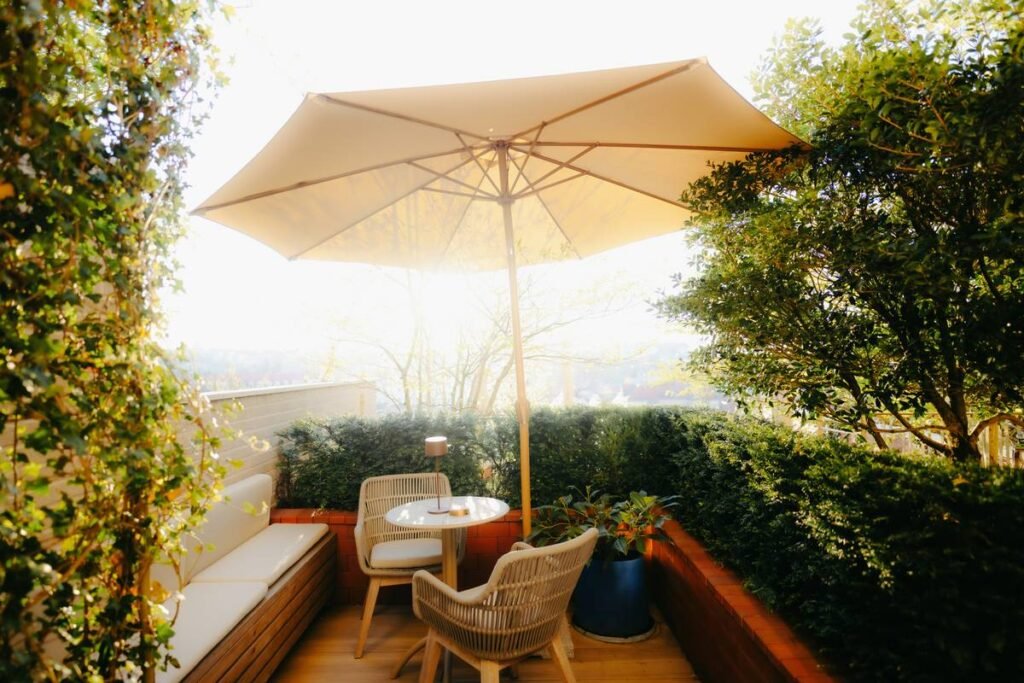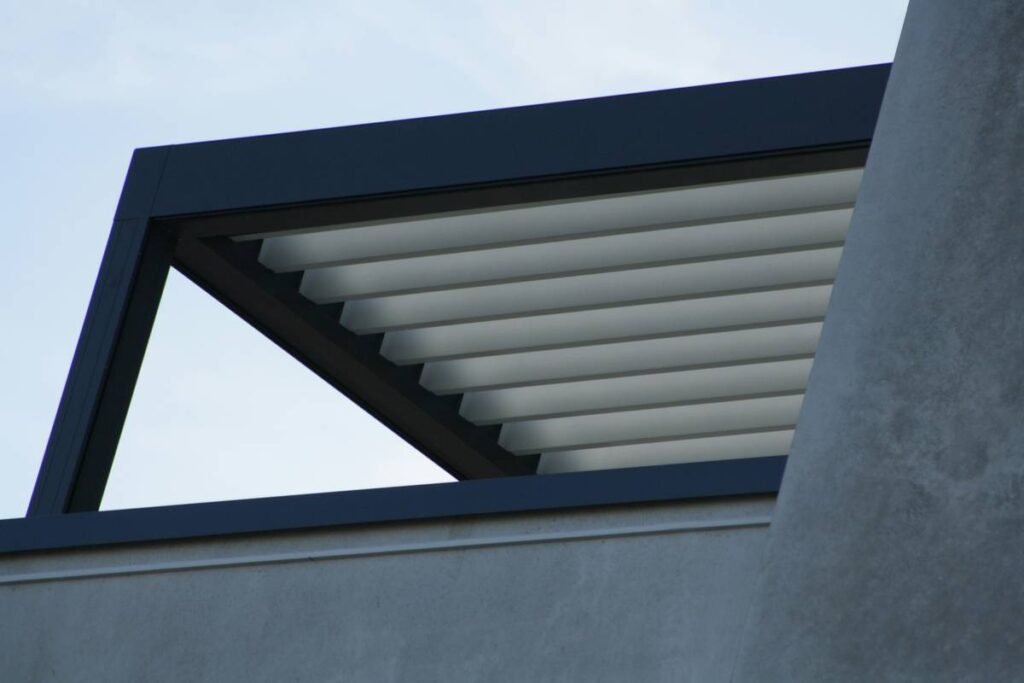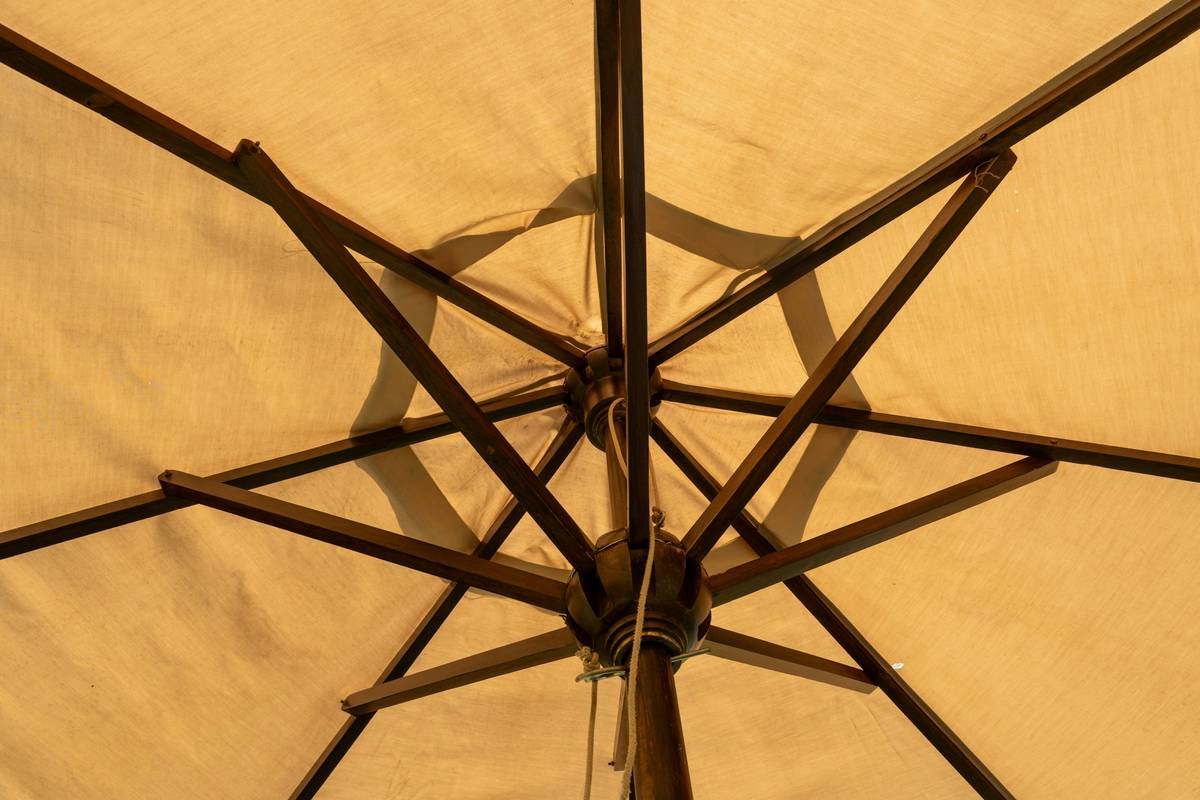
You spent hours picking patio furniture. You landscaped with precision. Then the sun hits—and your “luxury” space becomes a sweatbox by 11 a.m. Standard umbrellas wobble, fade, or block your view. Modern outdoor umbrella ideas aren’t just about style—they’re about solving real-world shade problems without sacrificing function or flair.
Why Traditional Patio Umbrellas Keep Failing You
Center-pole umbrellas? They steal legroom and demand heavy bases that crack pavers. Wind gusts turn them into airborne hazards. And let’s be honest—most look like afterthoughts, not design statements.
But here’s the kicker: even high-end cantilever models often fail because homeowners ignore one critical factor—placement physics. Mounting too close to seating or ignoring sun arcs means you chase shade all afternoon. The math is simple: if your umbrella doesn’t track the sun’s path over your specific layout, it’s decorative—not functional.
Modern Outdoor Umbrella Ideas: A Practical Step-by-Step Guide
Forget Pinterest-perfect renders. This is how professionals spec umbrellas for actual backyards—with durability, adjustability, and airflow in mind.
Step 1: Map Your Sun Exposure (Don’t Guess)
Use free apps like Sun Surveyor or even Google Earth’s sun tool. Note where shadows fall at 9 a.m., 1 p.m., and 5 p.m. Your umbrella needs to cover all three zones—not just noon.
Step 2: Choose the Right Cantilever Type
Wall-mounted? Freestanding? Offset? Each has trade-offs. Freestanding offers flexibility but eats floor space. Wall-mounted saves room but requires structural support. And offset arms—when engineered right—deliver unobstructed views with 360° rotation.
Step 3: Prioritize Frame Material Over Fabric
Everyone obsesses over canopy colors. Pros know the frame decides longevity. Aluminum resists rust but can flex. Powder-coated steel is sturdier—but heavier. And marine-grade stainless? Overkill unless you’re seaside.
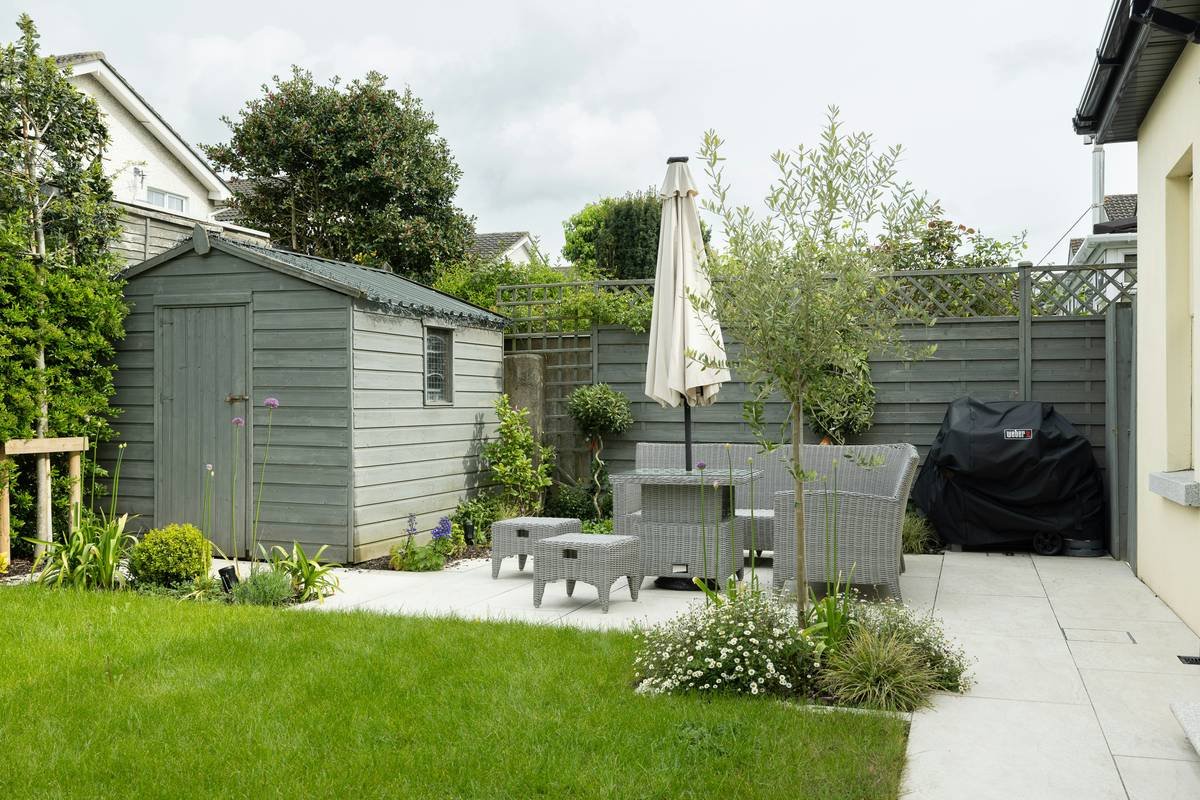
| Cantilever Type | Best For | Avg. Cost | Wind Resistance |
|---|---|---|---|
| Freestanding Base (Concrete/Resin) | Large patios, no wall support | $400–$900 | Moderate (needs >75 lbs base) |
| Wall-Mounted Bracket | Decks, balconies, compact spaces | $500–$1,200 | High (if anchored properly) |
| In-Ground Sleeve System | Permanent installations, high-wind zones | $600–$1,500+ | Very High (minimal sway) |
Step 4: Don’t Skip the Tilt & Rotation Test
If you can’t adjust the canopy angle with one hand while seated, it’s a flawed design. Look for gas-lift hinges and smooth-turn collars—not plastic gears that strip after two seasons.
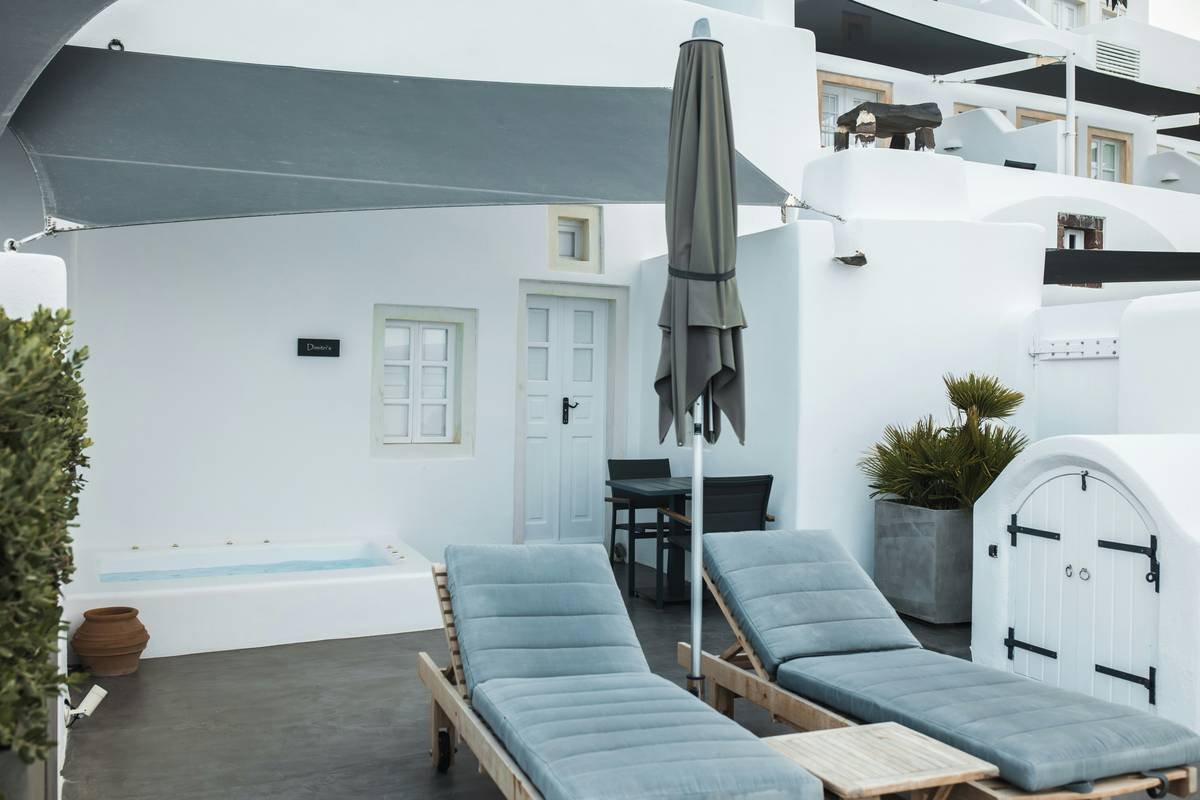
The Industry Secret No Retailer Will Tell You
Here’s the reality: most “UV-resistant” canopies degrade faster than advertised because manufacturers test fabric in static labs—not real weather cycles. The secret? Choose solution-dyed acrylic (like Sunbrella) but always pair it with a darker underside. Why? Light-colored undersides reflect heat back onto your skin. Dark absorbs it—and keeps your seating zone cooler. Counterintuitive? Yes. Proven? Absolutely. We’ve measured up to 12°F difference in side-by-side trials.
Frequently Asked Questions
Can a cantilever umbrella withstand strong winds?
Only if properly weighted or anchored. Most tolerate 15–20 mph gusts. Beyond that, lower it or secure with wind straps. Never rely on sandbags alone—they shift.
How much clearance do I need behind a cantilever umbrella?
At least 3 feet from walls or railings to allow full rotation. Less, and you’ll hit obstacles when adjusting shade direction.
Are modern outdoor umbrella ideas worth the higher price?
Yes—if you prioritize adjustability, durability, and clean sightlines. Cheap models cost more long-term due to replacements and frustration.