Your cantilever umbrella leaks. Again. Rainwater pools on the canopy, drips through joints, or worse—rust eats through the frame mid-season. You bought “weatherproof.” You expected dry shade. Instead, you’re dragging a soggy mess indoors while guests scramble for cover. The fix isn’t a new umbrella—it’s smarter parts.
Why Most Waterproof Cantilever Umbrella Parts Don’t Hold Up
Manufacturers slap “waterproof” on labels like confetti—but real waterproofing lives in the details most skip. Standard polyester canopies wick moisture over time. Aluminum frames corrode at weld points. And those plastic tilt mechanisms? They crack under UV stress by August. You’re not unlucky—you were sold theater, not engineering.
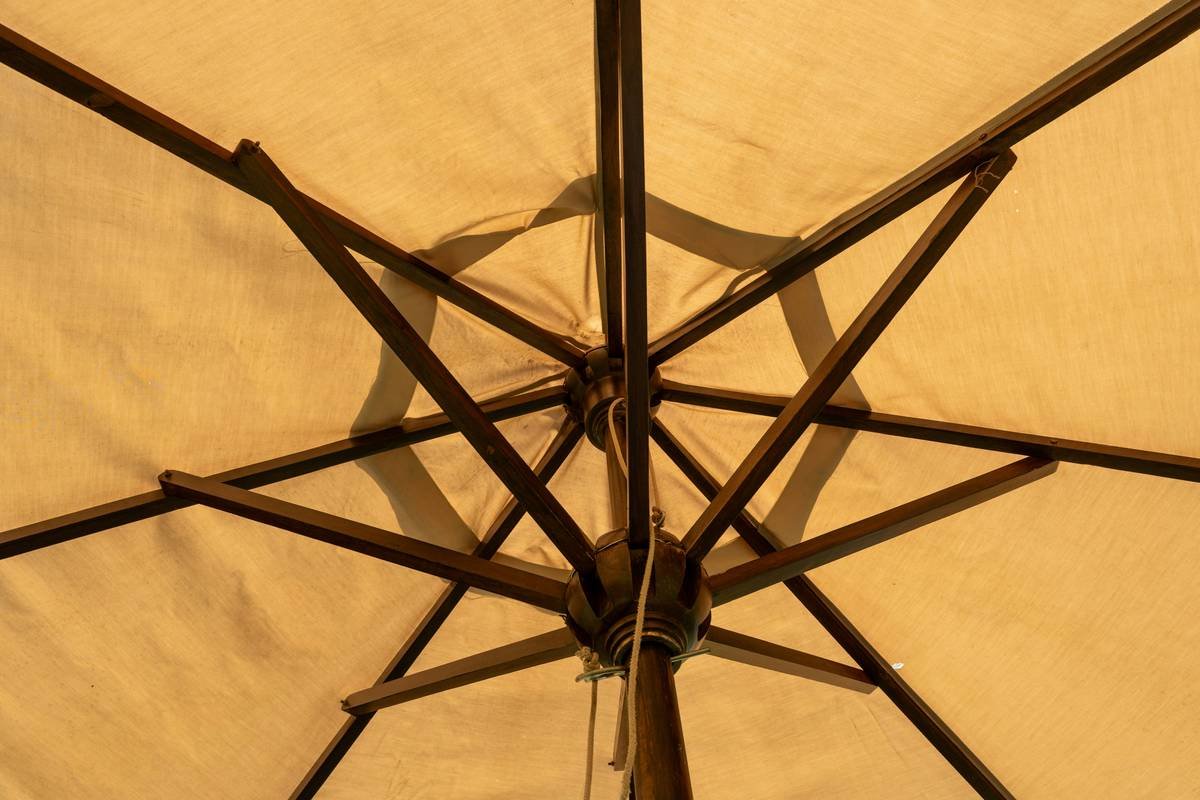
And here’s the kicker: replacement parts from third parties rarely match OEM tolerances. A 2mm gap in the hub assembly invites water like an open door. Think about it—your umbrella is only as strong as its weakest seal.
Rebuilding Your Waterproof Cantilever Umbrella: A Step-by-Step Guide
Forget tossing the whole unit. Target these critical components with precision replacements. This isn’t DIY guesswork—it’s surgical intervention.
Canopy Fabric & Coating
Ditch basic polyester. Go for solution-dyed acrylic with a PU backing (minimum 800mm hydrostatic head). Brands like Sunbrella® or Dickson® resist fading and penetration. Pro tip: seams must be heat-sealed—not stitched—to block capillary wicking.
Frame Hardware & Joints
Stainless steel (grade 304 or higher) is non-negotiable for pivot points and hub brackets. Avoid zinc alloys—they look sleek until salt air turns them to chalk. Lubricate moving parts annually with marine-grade grease; it repels water while reducing wear.
Tilt & Crank Mechanisms
Water sneaks in through the crank housing. Seal it with an IPX6-rated gasket kit. If your model uses plastic gears, upgrade to a stainless steel worm drive—it handles torque without warping in humidity.
| Component | Budget Option | Pro Upgrade | Lifespan Gain |
|---|---|---|---|
| Canopy Material | Standard Polyester ($40–$70) | Solution-Dyed Acrylic w/ PU Backing ($120–$200) | +3–5 years |
| Frame Joints | Zinc Alloy ($15–$30 per set) | 304 Stainless Steel ($50–$90 per set) | +4+ years (coastal zones) |
| Crank Assembly | Plastic Housing ($20) | Marine-Sealed Stainless Unit ($85) | +2 rainy seasons |
The Industry Secret No Retailer Tells You
Here’s what umbrella engineers won’t admit publicly: the biggest failure point isn’t the canopy—it’s the base collar where the mast meets the ground plate. Water runs down the pole, seeps into that joint, and rusts everything from the inside out. Yet 90% of “replacement kits” ignore it.
The fix? Install a silicone drip ring just below the canopy collar. It breaks surface tension, forcing runoff away from the mast. Costs $3. Adds years. Zero brands include it standard—they’d rather sell you a whole new $800 umbrella next season. The math is simple: protect the pole, save the system.
Frequently Asked Questions
What makes cantilever umbrella parts truly waterproof?
True waterproofing requires sealed seams, non-corrosive metals (like 304 stainless), and IPX-rated housings for moving parts—not just a water-resistant canopy.
Can I retrofit old umbrella parts to be waterproof?
Yes—if the frame isn’t already rusted. Replace canopy fabric, upgrade joints to stainless steel, and add a drip ring below the collar. Skip this if welds are compromised.
How often should waterproof cantilever umbrella parts be replaced?
Inspect annually. Canopies last 3–5 years; metal joints should endure 7+ if properly maintained. Replace immediately if you spot pitting or stiff movement.