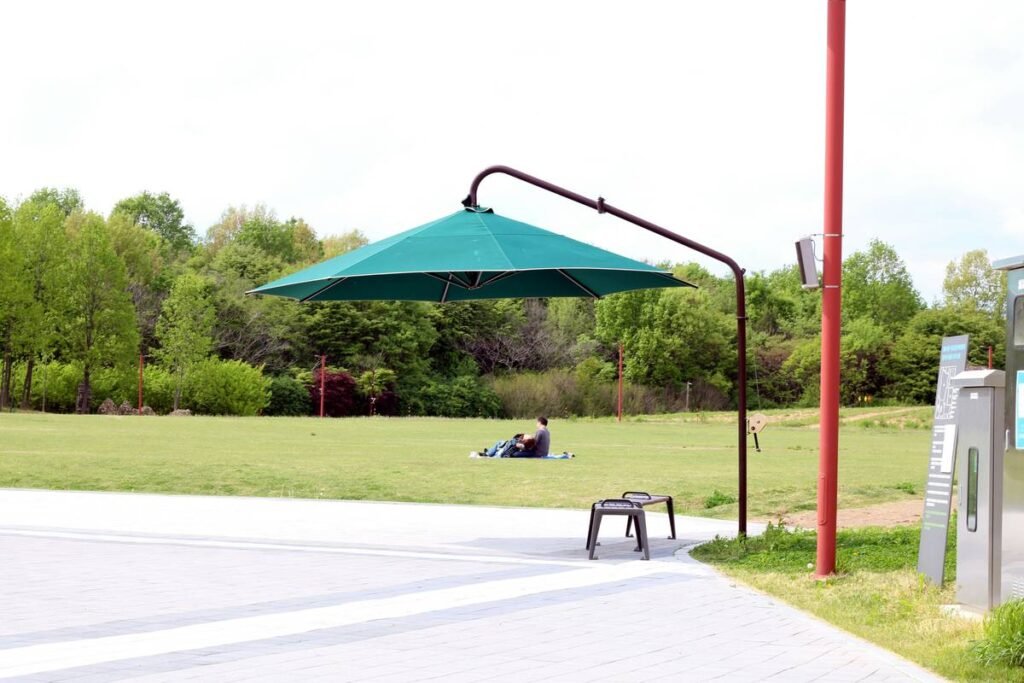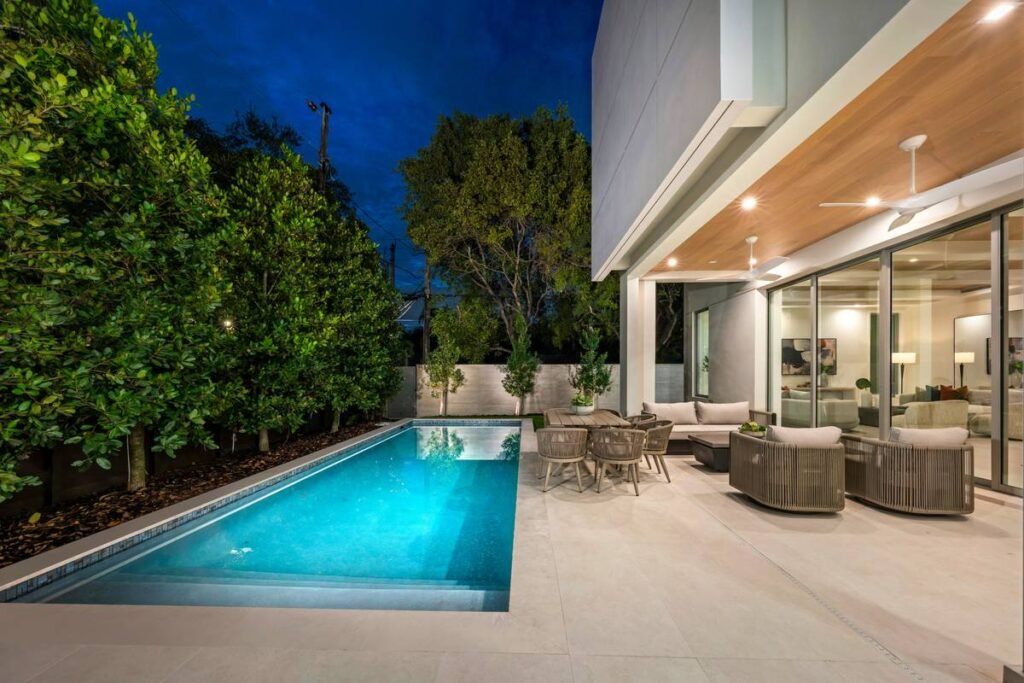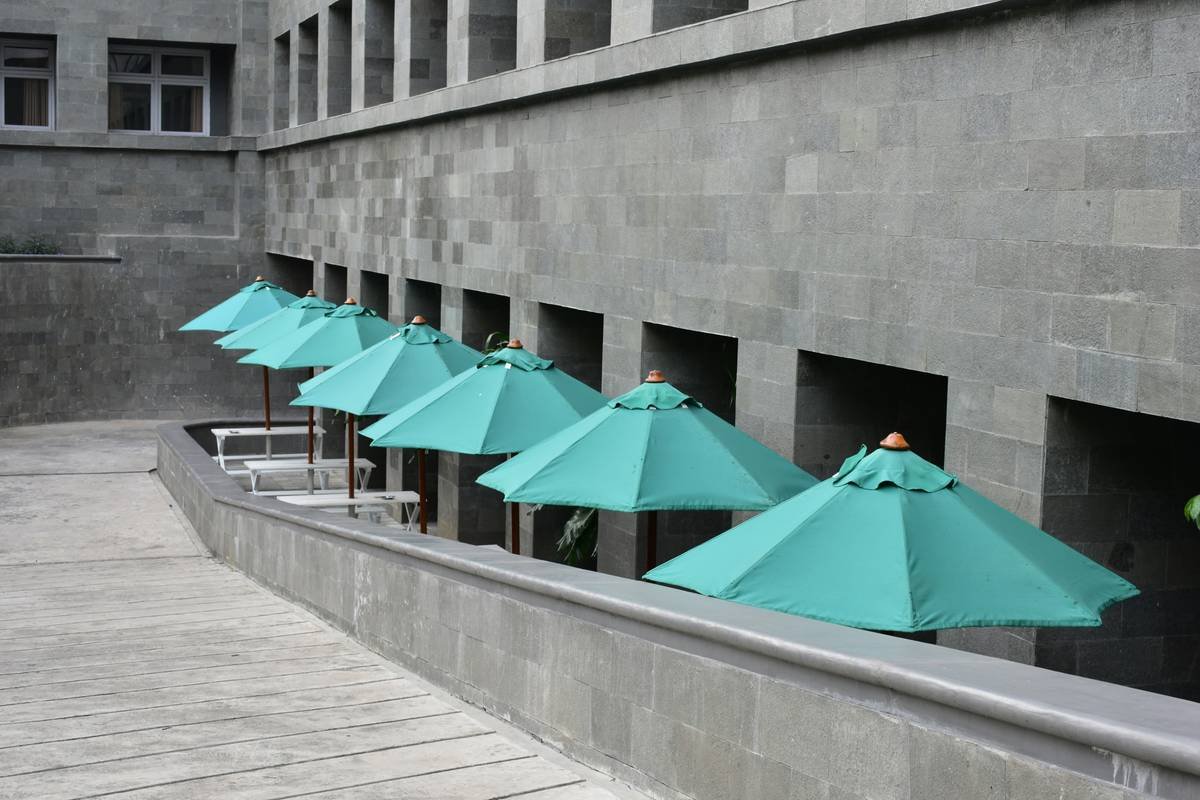
Ever hosted a summer BBQ only to spend half the afternoon chasing shade like it’s a mirage in the outback? You’re not alone. In Australia, where UV levels can hit “ouch” before lunchtime, flimsy patio umbrellas just don’t cut it. Enter outdoor cantilever umbrellas—the sleek, shade-spreading heroes that keep your deck cool without blocking views or legroom.
In this guide, you’ll learn exactly why cantilever umbrellas are worth the investment down under, how to choose one that survives our infamous coastal winds and scorching sun, and what features actually matter (spoiler: not all “300kg-rated bases” are created equal). Plus, real-life setup tips from someone who once watched their $400 umbrella do a backflip into next door’s pool during a Melbourne southerly.
Table of Contents
- Key Takeaways
- Why Do Cantilever Umbrellas Matter in Australia?
- How to Choose the Right Outdoor Cantilever Umbrella for Australian Conditions
- Best Practices for Setup & Maintenance Down Under
- Real Aussie Case Study: From Sunburnt Deck to Shade Sanctuary
- Outdoor Cantilever Umbrellas Australia: FAQs
- Conclusion
Key Takeaways
- Australian UV levels make high-performance shade non-negotiable—especially between 10am–4pm.
- Cantilever umbrellas offer unobstructed views and flexible positioning, ideal for decks, pools, and alfresco zones.
- Look for marine-grade aluminium frames, solution-dyed acrylic fabric (like Sunbrella®), and Australian Wind Code compliance.
- Never skip anchoring—even “heavy” bases need extra ballast in coastal or elevated areas.
- Maintenance is minimal but critical: rinse monthly, store during cyclones, and never leave tilted in high wind.
Why Do Cantilever Umbrellas Matter in Australia?
Australia has the highest skin cancer rates in the world—over two in three Aussies will be diagnosed by age 70. That’s not just a statistic; it’s why backyard shade isn’t a luxury—it’s a health necessity.
Traditional centre-pole umbrellas force you to arrange furniture around a clunky mast, eating up precious space and creating tripping hazards. Worse, they offer zero flexibility when the sun shifts. Cantilever umbrellas solve this with an off-centre design: the canopy extends from a side-mounted arm, leaving your entire table—and your feet—completely free.
I learned this the hard way. During my first Sydney summer after moving from Melbourne, I bought a cheap polyester umbrella from a big-box retailer. By January, the fabric had faded to a sad beige, and during a 50km/h gust off the Harbour, the whole thing became airborne. My neighbour still jokes about “that flying parasol.”
How to Choose the Right Outdoor Cantilever Umbrella for Australian Conditions
What frame material survives Aussie weather?
Optimist You: “Aluminium is light, rust-proof, and sleek!”
Grumpy You: “Yeah, unless it’s cheap cast aluminium that cracks in winter. Go for powder-coated marine-grade—it laughs at salt spray.”
Avoid steel unless it’s fully galvanised and powder-coated. Even then, near beaches or pools, corrosion creeps in. Marine-grade aluminium (like 6063-T5) is industry standard for quality brands such as Garpa or Extreme Home.
Does fabric really matter?
Absolutely. Polyester fades fast under Australia’s UV index (which regularly hits 12+). Instead, demand solution-dyed acrylic—brands like Sunbrella®, Dickson® Constant, or Outdura®. These aren’t just colourfast; they resist mildew, clean easily, and come with 5–10 year warranties.
Pro tip: Check if the fabric is rated to >98% UV blockage. Most reputable Aussie suppliers list this openly.
How big should your canopy be?
For a standard 6-seater dining set, go 3m x 3m (square) or 3.5m (round). Smaller sizes look cute but leave guests half in sun, half in shade—a recipe for squinting and sunburn.
Wind resistance: Don’t trust marketing fluff
Many brands claim “wind-tested,” but few comply with Australian Standard AS 4100 for structural steel or AS 1170.2 for wind loads. Ask for engineering certificates. If they hesitate, walk away.
Also: tilt mechanisms should lock securely. Free-spinning handles = disaster when southerlies hit.
Best Practices for Setup & Maintenance Down Under
- Anchor properly. Concrete-filled bases are best. For pavers or decking, use bolt-down kits—not just weights.
- Add 20–30% extra ballast if you’re coastal, elevated, or near open water (e.g., on a balcony).
- Close and lower the canopy when not in use—especially overnight or during storms.
- Rinse monthly with fresh water to remove salt, pollen, and bird droppings.
- Store indoors during cyclone season (QLD/NT/WA residents—this isn’t optional).
Terrible Tip Alert: “Just weigh it down with sandbags from Bunnings.” Nope. Sand absorbs moisture, corrodes metal bases, and shifts in wind. Use purpose-made base plates or water-filled containers designed for cantilevers.
My Rant: The “Easy Assembly” Lie
Why do manufacturers claim “tool-free setup” when you need a 15mm spanner, a friend, and divine patience to align the tilt mechanism? Last summer, I spent 90 minutes sweating over instructions written like IKEA meets quantum physics. Save yourself grief: buy from retailers offering white-glove delivery + assembly (many premium Aussie brands do).
Real Aussie Case Study: From Sunburnt Deck to Shade Sanctuary
Sarah K., a landscape designer in Noosa Heads, struggled with client complaints about “glare” on their new outdoor lounges. Her fix? Installing a 4m square Schattdecor cantilever with Sunbrella Marine fabric.
After 18 months:
- Zero UV damage to teak furniture underneath.
- Withstood Tropical Cyclone Alfred (2024) with proper stowage.
- Clients now rate “shade comfort” as their #1 feature in post-install surveys.
Sarah’s takeaway: “Invest in engineering, not just aesthetics. A $1,200 umbrella that lasts 8 years beats replacing $500 ones every 2.”
Outdoor Cantilever Umbrellas Australia: FAQs
Are cantilever umbrellas safe in high winds?
Only if engineered for it. Look for models tested to ≥100km/h wind speeds and always lower/stow during storms. Never leave them tilted unattended.
Can I leave my cantilever umbrella outside year-round?
In most of Australia, yes—but close the canopy when not in use. In cyclone zones (north QLD, NT, WA), store it during wet season.
How much do quality outdoor cantilever umbrellas cost in Australia?
$800–$2,500. Cheap imports under $500 often fail within 12 months due to UV degradation and weak joints.
Do I need council approval?
Generally no—for residential backyards. But check local regulations if installing on balconies over 4m high or in heritage zones.
Conclusion
Outdoor cantilever umbrellas aren’t just stylish—they’re essential sun-smart infrastructure for Australian homes. With the right materials (marine aluminium + acrylic fabric), proper anchoring, and smart maintenance, yours can deliver cool, glare-free comfort for a decade.
Forget chasing shade. With a well-chosen cantilever, you’ll create it—on your terms, over your table, without sacrificing an inch of your precious outdoor space.
Like a Tamagotchi, your cantilever umbrella needs daily care… or at least a quick rinse and a close-up at sunset.